Researching the User Experience for Marriott Hotels
May 13 – June 30, 2019
DEMONSTRATED SKILLS FOR THIS PROJECT
- Run a Nano Usability session to assess current experience and generate research questions
- Evangelize the inclusion of UX research in the re-design project with a written memo to stakeholders
- Define business goals, user research questions (general and specific), and research hypotheses
- Develop a research questionnaire
- Draft and iterate an interview guide that explores research hypotheses
- Run and record user research interviews
- Analyze interviews and synthesize results
- Create a video highlight reel that supports research results
- Document recommendations with a report that demonstrates understanding of clients’ digital properties
Scenario
Marriott.com Redesign Project
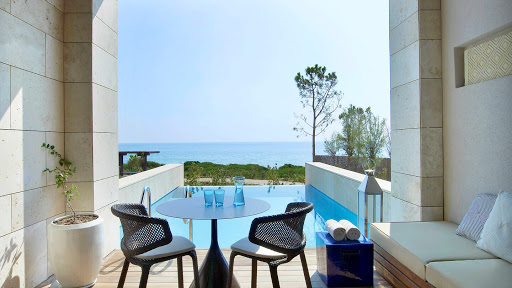
As part of my graduate work in UX Design, I performed a series of tasks to demonstrate the value of incorporating user research into the design lifecycle. Marriott stakeholders wanted to increase adoption of the hotel chain’s digital properties, and my job as a UX Design consultant was to produce artifacts that would help align their business strategy with the needs of their customers.
My Process
Nano Usability Study
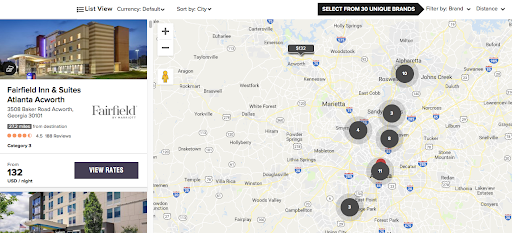
To assess the current state of Marriott.com, I used a guerrilla research method to determine how easily users could perform a simple task: find and book a hotel room for an upcoming trip. This study served the dual purpose of catching the low-hanging fruit of usability problems while presenting an opportunity to achieve executive buy-in for fusing user research into the Marriott redesign project.
Even though 2 out of 3 users in the Nano study were able to successfully complete the task, I discovered a series of problematic areas of the booking process, including:
- sorting results by Price
- using the Map View
- selecting dates using the calendar widget
- the overall aesthetic appeal of the site
Planning User Research
I crafted a research plan that addressed several key elements for incorporating user research into the redesign project, namely:
- Business goals and related questions from Marriott stakeholders.
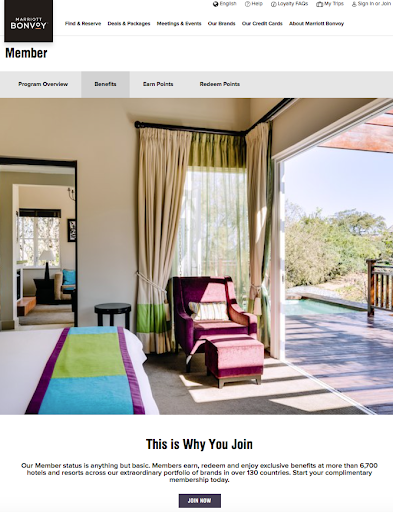
- My own user experience observations of the site and mobile app.
- User research goals, such as learning about the motivations and perceptions customers have about Marriott.
- General and specific questions related to users’ demographics, travel behaviors, rewards membership, mobile usability, and others.
- Next steps needed to move forward with the project.
User Survey: 10 Questions
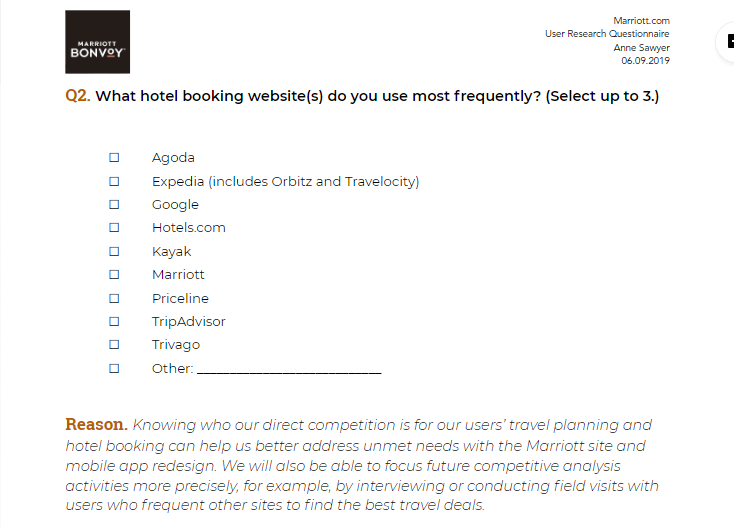
To provide quantitative attitudinal and demographic data about Marriott’s users, I developed a survey to discover who they are and what kind of experience they expect from a hotel booking site.
Unlike other methods, surveys like this use closed-ended questions to allow more consistent data analysis from a larger user population sample. I crafted 10 questions that, among other things, addressed the user’s:
- Reasons for and frequency of travel
- Priorities for choosing a hotel
- Motivation for joining a rewards program
- Experience with booking travel packages
Interviewing Marriott Users
Of course, the most exciting part of user research is actually speaking with the users. To prepare, I crafted an interview guide detailing my research goals, questions, hypotheses, and script. Then, I recorded one-on-one conversations with 3 different potential Marriott users. To ensure the interview flowed smoothly and to put my participants at ease, I started with a few ice breaker questions before jumping into the meat of the interview questions, and then signaled the end of the interview with a few cool down questions. The video below highlights some of the key findings from my interviews.
Some Key Findings
Hypothesis on Brand Loyalty
Users are more likely to avoid certain hotel brands based on negative experiences than to book a hotel because it’s their favorite brand.
PARTIALLY CONFIRMED
- Non-rewards members want the best value for their money regardless of the hotel chain.
- Rewards members place a higher value on quality when choosing hotels, which may drive them towards specific brands they know will meet their expectations.
Hypothesis on Hotel Rewards
Users aren’t inclined to join travel rewards programs unless they travel for business as well as leisure.
CONFIRMED
One user reported that he’s never joined a rewards program because, “those are for people who travel frequently. For business, particularly. What kind of rewards can you get for going to a hotel once a year?”
User Research: Lessons Learned
- Interviewing users effectively requires practice, both to avoid inadvertently asking a leading question and to be comfortable with periods of silence.
- Crafting properly-scoped goals and questions is an essential part of the research process. Ruminating on the answers you expect or want to obtain and then constructing questions around those answers makes this process more manageable.
- Less is more when it comes to surveys. Nesting multiple elements within a single question can help you eliminate redundancies and get the most bang for your buck when you’re limited to a few questions.
For more detailed findings and recommendations, view the full Marriott project report.
Click to access annesawyer_findings.pdf
 Anne Sawyer